
 By Shiloh Arjun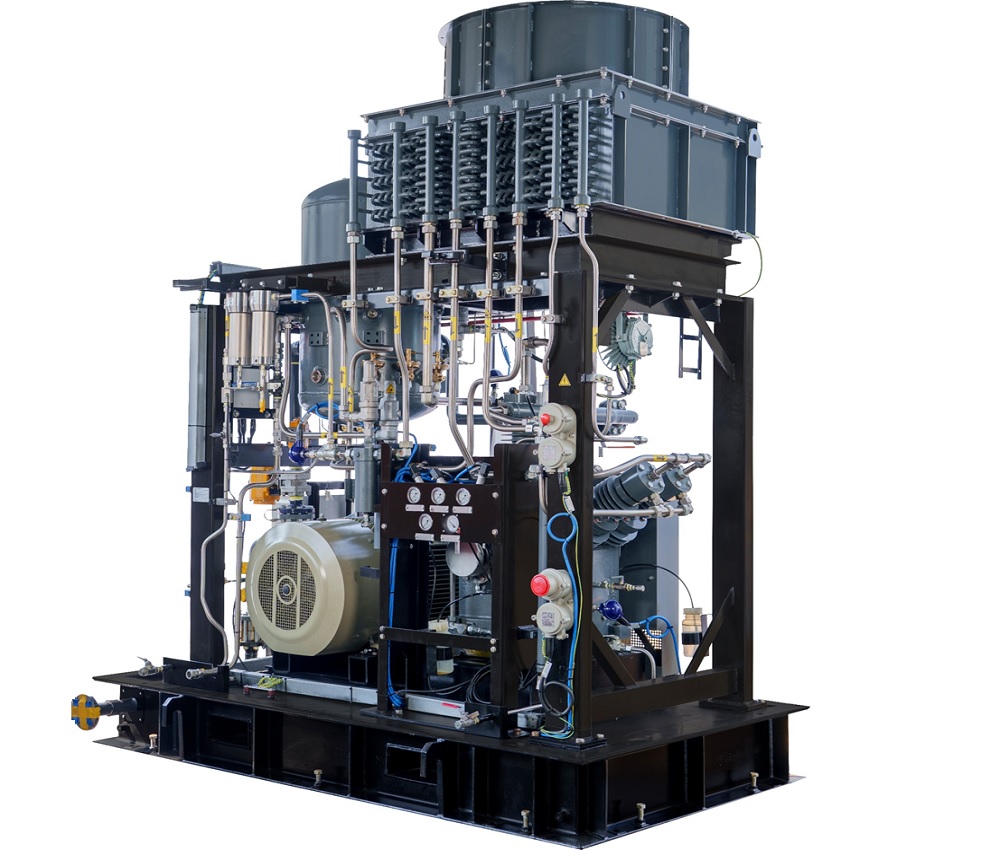
Biogas compressors are an essential component of modern renewable energy systems. They help compress biogas for storage, transportation, or efficient use. Because biogas contains moisture and trace impurities, these machines often operate under harsh conditions. Without proper care, performance can deteriorate quickly. Regular maintenance helps prevent unexpected failures, improves safety, and extends the lifespan of the equipment.
Understanding the Need for Maintenance
Raw Biogas is not a clean, dry gas. It often carries water vapor and corrosive substances that can gradually wear down internal components. Over time, this may result in leaks, reduced pressure, or mechanical failure. A well-maintained biogas compressor delivers consistent performance and supports uninterrupted plant operations, making maintenance a necessity rather than a luxury.
1. Conduct Regular Visual Inspections
Even basic checks can help prevent major issues:
- Watch for leaks or vibrations: Any unusual movement, sound, or gas odor should be addressed immediately. These signs often indicate worn seals or loose connections.
- Monitor pressure levels: Stable pressure indicates healthy operation. Sudden drops or spikes may point to internal wear or blocked components.
- Inspect seals and joints: Seals naturally wear out over time due to heat and pressure. Replacing them early helps prevent efficiency losses and gas leakage.
These inspections should be performed regularly so operators can address minor issues before they become costly.
2. Keep Moving Parts Properly Lubricated
Lubrication plays a key role in reducing friction and wear:
- Follow recommended lubrication intervals: Using the correct lubricant helps protect bearings, pistons, and shafts.
- Change oil on time: Deteriorated or contaminated oil increases the risk of wear and damage to internal components. Regular oil changes keep components clean and functional.
- Check belts and couplings: Misaligned or worn belts can reduce efficiency and place extra strain on the motor.
Proper lubrication ensures smooth operation and minimizes the risk of mechanical failure.
3. Maintain Effective Cooling
Heat is a natural byproduct of compression. If not controlled, it can shorten the lifespan of components.
- Clean cooling components: Dust and debris reduce airflow and heat dissipation. Keep fans, vents, and heat exchangers clean.
- Inspect coolant systems: For liquid-cooled units, ensure recommended water quality/coolant levels are adequate and hoses are free from leaks.
An efficient cooling system helps keep the biogas compressor operating within safe temperature limits.
4. Monitor Safety Systems
Since biogas is flammable, safety systems must remain fully operational:
- Test pressure relief valves: These protect the system from dangerous overpressure conditions.
- Verify emergency shutdown systems: Periodic testing ensures quick response during faults.
- Check sensors and gauges: Accurate readings are essential for safe and efficient operation.
Maintaining these systems helps protect both personnel and equipment.
5. Schedule Routine Professional Servicing
While daily checks are important, professional servicing adds an extra layer of reliability. Skilled technicians can inspect internal components, replace worn parts, and assess overall performance. Scheduled servicing helps ensure the biogas compressor continues to operate efficiently over the long term.
Conclusion
Proper maintenance is essential for achieving consistent performance from a biogas compressor. Regular inspections, timely lubrication, effective cooling, and reliable safety systems all work together to prevent failures and improve efficiency. With a proactive maintenance approach, operators can ensure safer operation, lower maintenance costs, and longer equipment life.